
Electronics Waste Management Kuala Lumpur: The Definitive Business & Consumer Guide (2026–2027)
Kuala Lumpur generates thousands of tonnes of electronic waste every year. Laptops, servers, mobile phones, printers, and networking equipment reach end-of-life daily—and the vast majority still end up in general waste streams where they do not belong. For businesses, improper disposal is not merely an environmental concern; it carries genuine legal and data security consequences. For individuals, the challenge is finding a convenient, trustworthy option that does not involve handing your hard drive to an unverified operator.
This guide cuts through the confusion. Whether you are a corporate IT manager overseeing a fleet of decommissioned assets, an SME owner clearing out old office equipment, or a resident looking for a certified drop-off point, you will find clear, actionable information here.
What Counts as E-Waste—and Why It Matters in Malaysia
Under Malaysia's Environmental Quality (Scheduled Wastes) Regulations 2005, electronic waste is classified as a scheduled waste. Practically speaking, this covers:
- Computers, laptops, tablets, and monitors
- Mobile phones and smartphones
- Printers, scanners, fax machines, and photocopiers
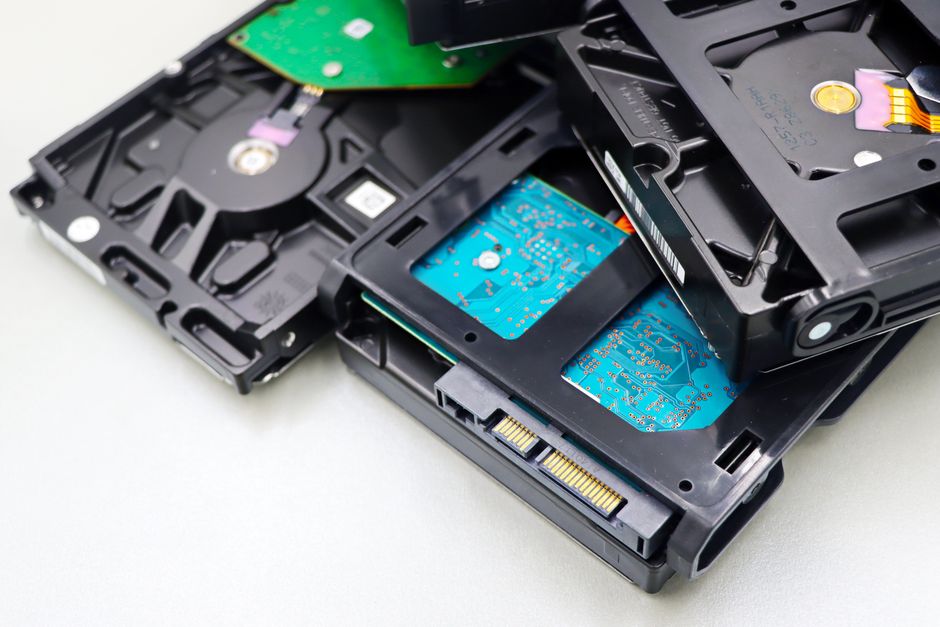
- Servers, networking equipment, and data storage devices
- Televisions, audio equipment, and household electronics
- Batteries, UPS units, and power supplies
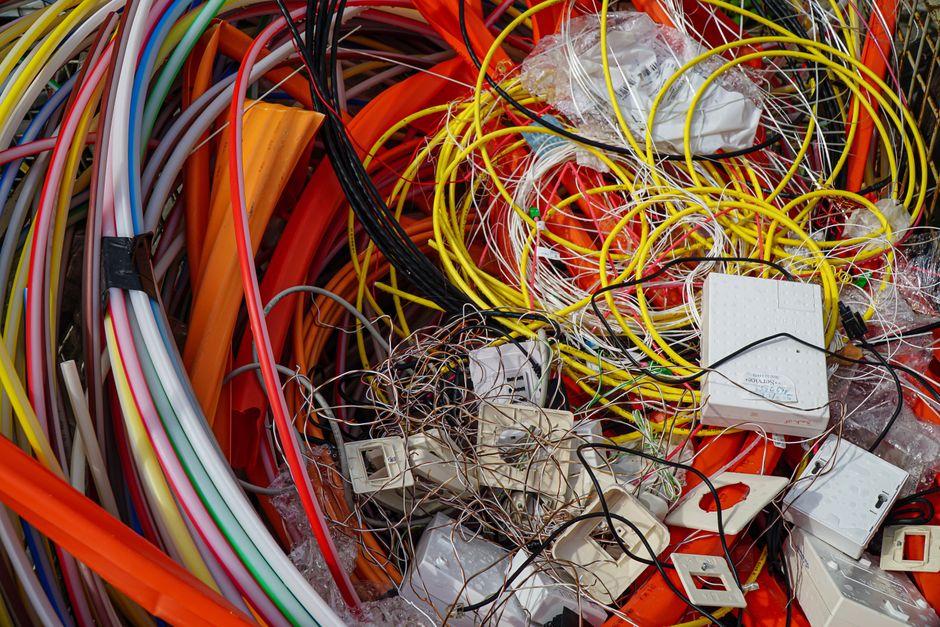
- Cables, PCBs, and electronic components
The key phrase is scheduled waste. Once a device is classified as such, it cannot be discarded into general municipal bins or sold to unlicensed scrap dealers. Doing so is a breach of Malaysian law—and for businesses, the penalties can include fines and prosecution under the Environmental Quality Act 1974.
Beyond legal exposure, e-waste contains hazardous materials including lead, cadmium, mercury, and brominated flame retardants. When improperly shredded or burned—as happens in informal recycling operations—these toxins leach into soil and groundwater. Kuala Lumpur's proximity to residential communities makes this a public health concern, not just a regulatory checkbox.
DOE Malaysia Certification: What It Is and Why It Is Non-Negotiable
The Department of Environment Malaysia (DOE) under the Ministry of Natural Resources and Environmental Sustainability is the regulatory body that licenses scheduled waste handlers, transporters, and treatment facilities. Any facility receiving your e-waste must hold a valid DOE Scheduled Waste Licence—specifically under SW110 (used electrical and electronic equipment) classifications.
How to verify DOE certification:
- Ask the recycler or collector for their SW licence number.
- Cross-check it on the DOE's official eEnviro or eSWIS (Scheduled Waste Information System) portal.
- Confirm the licence covers the specific waste codes relevant to your equipment.
- Ensure the transport contractor is also DOE-licensed—not just the end-facility.
A certified e-waste facility will also typically hold ISO 14001 (Environmental Management Systems) certification, and reputable IT asset disposal (ITAD) providers often carry R2 (Responsible Recycling) or e-Stewards accreditations, which are internationally recognised standards for responsible electronics recycling and data destruction.
If a collector cannot produce a DOE licence number on request, walk away.
Certified E-Waste Collectors and Recycling Centers in Kuala Lumpur
The KL and Greater Klang Valley area has a growing ecosystem of legitimate, certified operators. Here is an overview of key players and their service focus:
Volt Recycle
Volt Recycle operates as one of the more consumer-accessible e-waste recycling brands in Malaysia. They offer scheduled drop-off events and accept a broad range of consumer electronics. Businesses should verify their DOE licence status and confirm data destruction capabilities before engaging them for IT asset disposal.
TBM E-Waste Recycling Programme
TBM Electronics, a well-established Malaysian electronics retailer, operates an in-store e-waste take-back programme at multiple KL outlets. This is primarily a consumer-facing option for smaller devices—phones, tablets, cables, small appliances—and provides an accessible drop-off route for residents.
MYPC2U
MYPC2U focuses on refurbishment and resale of used IT equipment alongside responsible recycling of non-serviceable units. For businesses with mixed lots of partially functional and end-of-life devices, they offer asset valuation and trade-in options. Confirm their data sanitisation process and request a certificate of data destruction before handing over any asset.
3R Quest Sdn Bhd
3R Quest is a DOE-licensed scheduled waste contractor operating in the Klang Valley. They handle corporate and industrial e-waste, including bulk collection and compliant transport. Their services are typically better suited to businesses generating regular or large-volume e-waste streams.
AB Green Solutions Sdn Bhd
AB Green Solutions positions itself in the corporate IT asset disposal and recycling space. For businesses, they offer on-site collection and claim to provide documentation of disposal—a critical requirement for corporate compliance records.
KCOMSB
KCOMSB specialises in IT asset disposal and data erasure for Malaysian businesses, with a focus on the Kuala Lumpur and Selangor markets. For corporate clients managing decommissioned servers, laptops, hard drives, and networking infrastructure, KCOMSB provides certified data destruction processes aligned with internationally recognised standards, along with documentation that supports ESG reporting and regulatory compliance. Their professional approach bridges the gap between pure recycling and the stringent data security requirements of regulated industries.
Data Security During IT Asset Disposal: What Businesses Must Demand
For any organisation handling personal data—which under Malaysia's Personal Data Protection Act 2010 (PDPA) means virtually every company—data security during asset disposal is a legal obligation, not a preference.
When evaluating an ITAD provider, look for the following data destruction methodologies:
Software-based data erasure follows standards such as NIST SP 800-88 (Guidelines for Media Sanitisation) or the legacy DoD 5220.22-M specification. These standards define overwrite passes and verification processes that render data unrecoverable through forensic software tools. A credible provider will generate an erasure certificate for each asset showing the serial number, erasure standard applied, date, and technician verification.
Physical destruction (degaussing or shredding) is the appropriate method for damaged drives, SSDs that cannot be reliably overwritten, or assets requiring the highest security classification. A certificate of destruction should accompany every physically destroyed unit.
Chain of custody documentation is equally important. From the moment assets leave your premises, every handoff should be logged. Request a manifest signed at collection, a destruction certificate upon completion, and an audit trail that can be produced during a PDPA compliance review.
Any ITAD provider that cannot explain which standard they use for data destruction—or refuses to provide written certificates—should be disqualified immediately.
Step-by-Step Disposal Process by Device Type
Laptops and desktop computers:
- Back up any data you need to retain.
- Engage a certified ITAD provider for data erasure (software wipe to NIST SP 800-88 standard) or physical drive destruction.
- Obtain the serial-number-level certificate of data destruction.
- Arrange collection or drop-off to a DOE-licensed facility.
- Receive and file your certificate of disposal.
Servers and network equipment:
- Remove and inventory all drives separately—treat each drive as an individual asset.
- Engage an ITAD provider with on-site destruction capability if drives cannot leave the premises.
- For remaining chassis and components, arrange DOE-licensed bulk collection.
- Retain asset disposition records for at least two years for audit purposes.
Mobile phones and tablets:
- Perform a factory reset through the device's settings menu.
- Remove and destroy the SIM card.
- Deliver to a certified retailer take-back programme (TBM, Volt Recycle) or include in a corporate ITAD collection.
- Note: Factory reset alone is not sufficient for corporate-owned devices containing sensitive data—use certified erasure software or physical destruction.
Batteries, UPS units, and power equipment:
These fall under separate scheduled waste classifications. Do not mix with general e-waste streams. Contact a DOE-licensed hazardous waste handler specifically for battery collection.
Monitors and display equipment:
CRT monitors contain hazardous materials requiring specialist handling. Flat-panel displays may contain mercury backlights. Confirm the recycler has capability for these specific waste streams before handover.
Collection Methods Available in Kuala Lumpur
Drop-off centres: Consumer-friendly options exist at TBM retail outlets and during scheduled collection events by operators like Volt Recycle. Convenient for individuals and small quantities, though data security processes at drop-off points vary significantly—verify before using for business devices.
On-site pickup (scheduled collection): Preferred for businesses. DOE-licensed contractors like 3R Quest and AB Green Solutions, as well as ITAD specialists, will deploy collection vehicles to your premises. This maintains chain of custody and is essential for bulk or sensitive assets.
Mail-in programmes: Limited availability in Malaysia compared to Western markets. Some consumer electronics recyclers accept small shipments of items like batteries and cables via registered courier. Confirm DOE compliance of the receiving facility before shipping.
DBKL and state government initiatives: The Kuala Lumpur City Council (DBKL) and the Selangor State Government Environmental Division periodically organise e-waste collection campaigns in residential areas. These are useful for residents disposing of household electronics but are not suitable for business-volume or data-sensitive disposals. Monitor their announcements for scheduled events.
Cost Considerations: Free vs. Paid Disposal
Pricing in the KL e-waste market varies considerably based on device type, volume, data destruction requirements, and the commercial model of the provider.
Free options typically exist where the recycler can recover value from the material—working devices for refurbishment, or high-value metals in certain equipment. Consumer take-back programmes at retailers like TBM are generally free for small quantities.
Paid services apply when the recycler incurs net costs—for example, processing CRT monitors, degaussing drives, or managing certified chain-of-custody documentation. ITAD services with full data destruction certification, on-site collection, and audit-trail documentation typically carry a service fee. Rates vary by provider and asset volume; obtain itemised quotes from at least two DOE-licensed providers.
Potential cost offsets for businesses: Organisations that can demonstrate responsible e-waste disposal as part of a broader environmental, social, and governance (ESG) framework may find value in ESG reporting metrics, supplier scorecards, and sustainability disclosures. Some businesses explore whether asset recovery (resale of refurbished equipment) partially offsets disposal costs. For specific guidance on any tax treatment of asset disposal or recycling activities, consult a qualified Malaysian tax adviser and refer to the Inland Revenue Board of Malaysia (LHDN) guidelines directly—do not rely on recycler-provided claims about tax deductions.
How to Identify Illegitimate E-Waste Operations
Kuala Lumpur has a visible informal recycling sector. Here is how to distinguish legitimate operators from those that pose legal and environmental risks:
Red flags:
- Cannot produce a DOE Scheduled Waste Licence number when asked
- Offers unusually high cash payments for bulk electronics with no paperwork
- No fixed business address, business registration, or verifiable company profile
- Cannot explain their downstream processing or recycling partners
- Provides no certificate of disposal or data destruction documentation
- Operates exclusively via WhatsApp with no formal invoicing process
Green flags:
- DOE licence number verifiable through official channels
- ISO 14001, R2, or e-Stewards accreditation
- Formal service agreement with defined scope of work
- Serial-number-level asset tracking and certificate issuance
- Physical premises with registered company address
- Transparent downstream recycling partners
What Happens After Collection: The Recycling Workflow
Understanding what happens downstream helps you evaluate the credibility of a recycler's claims.
At a legitimate facility, collected electronics are first sorted and graded: functional units are identified for refurbishment and resale; non-functional units enter the recycling stream. Data-bearing devices are processed for destruction before any physical disassembly.
From there, materials are separated: plastics, ferrous metals, aluminium, copper, and precious metals (gold, silver, palladium found in PCBs and connectors) are extracted and sold to downstream commodity processors. Hazardous components—CRT glass, mercury-containing backlights, batteries—are segregated for specialist treatment in compliance with DOE requirements.
Certified R2 or e-Stewards facilities must document their entire downstream chain, meaning they can demonstrate that every recovered material went to a compliant processor. This end-to-end accountability is what separates certified recycling from informal dismantling.
Legal Obligations for Businesses: A Quick Compliance Checklist
Malaysian businesses face obligations under multiple frameworks:
- Environmental Quality Act 1974 & Scheduled Wastes Regulations 2005: You are legally responsible for ensuring e-waste is handed to a DOE-licensed contractor. Ignorance is not a defence.
- Personal Data Protection Act 2010 (PDPA): Data on decommissioned devices must be properly destroyed. Failure to do so can constitute a breach with regulatory consequences.
- ISO 14001 obligations: If your organisation holds or is pursuing ISO 14001 certification, your e-waste management process is subject to audit review.
- ESG disclosure requirements: Listed companies and those with ESG reporting commitments should maintain quantifiable records of e-waste diverted from landfill.
Documentation to retain:
- DOE licence copy of your waste contractor
- Signed collection manifests with asset serial numbers
- Certificates of data destruction (NIST/DoD standard, dated and signed)
- Certificates of disposal from the recycling facility
- Annual records of e-waste volumes for ESG reporting
Final Thoughts: Getting Electronics Waste Management Right in Kuala Lumpur
Electronics waste management in Kuala Lumpur is increasingly a boardroom topic—driven by tighter regulation, PDPA enforcement, and ESG investor expectations. The good news is that the certified infrastructure exists. The challenge is knowing how to use it correctly.
For individuals, start with verified drop-off programmes through retailers or DBKL campaigns. For businesses, the stakes are higher: engage a DOE-licensed ITAD specialist that can provide chain-of-custody documentation, data destruction certificates to a recognised standard, and downstream transparency.
KCOMSB works with Malaysian businesses navigating exactly these requirements—from single-site laptop refreshes to large-scale server decommissioning projects. If you are managing IT asset disposal in Kuala Lumpur and need a compliant, documented approach, speaking with a certified specialist is the right first step.
Regulatory requirements, pricing, and operator certifications are subject to change. Always verify current DOE licence status directly with the operator and consult qualified legal or tax advisers for compliance and tax-related questions.
